UK to Belgium removals planning guide for busy households
If you are juggling work, school runs, pets, deadlines, and the general chaos of everyday life, planning a move abroad can feel like trying to fold a fitted sheet in a hurry. A UK to Belgium removals planning guide for busy households should do one thing well: reduce decision fatigue. This guide gives you a practical, human-friendly roadmap for organising an international house move without losing a week to tiny details.
Belgium is close enough to feel manageable, but there is still a lot to coordinate: packing, timing, travel, household admin, access at both ends, and the simple question of who is going to do what on the day. The good news? With the right sequence, it becomes far less overwhelming. Let's walk through the move in a way that fits real life, not just ideal conditions.
- Why this planning guide matters
- How a UK to Belgium removal works
- Key benefits and practical advantages
- Who this is for and when it makes sense
- Step-by-step guidance
- Expert tips for better results
- Common mistakes to avoid
- Tools, resources and recommendations
- Law, compliance, standards and best practice
- Options, methods and comparison table
- Case study or real-world example
- Practical checklist
- Conclusion
- Frequently asked questions
Why UK to Belgium removals planning guide for busy households Matters
Busy households do not usually fail at moving because they lack effort. They run into trouble because moving overseas asks for too many small decisions at once. The date changes, the school needs notice, the sofa is larger than you thought, and suddenly the "simple" move has turned into seven different threads of admin. That is where a structured plan helps.
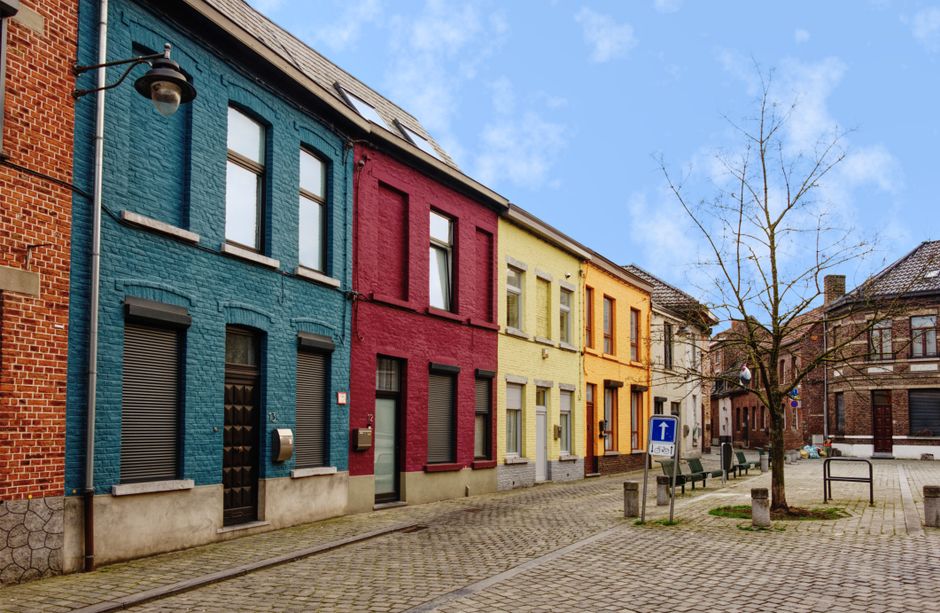
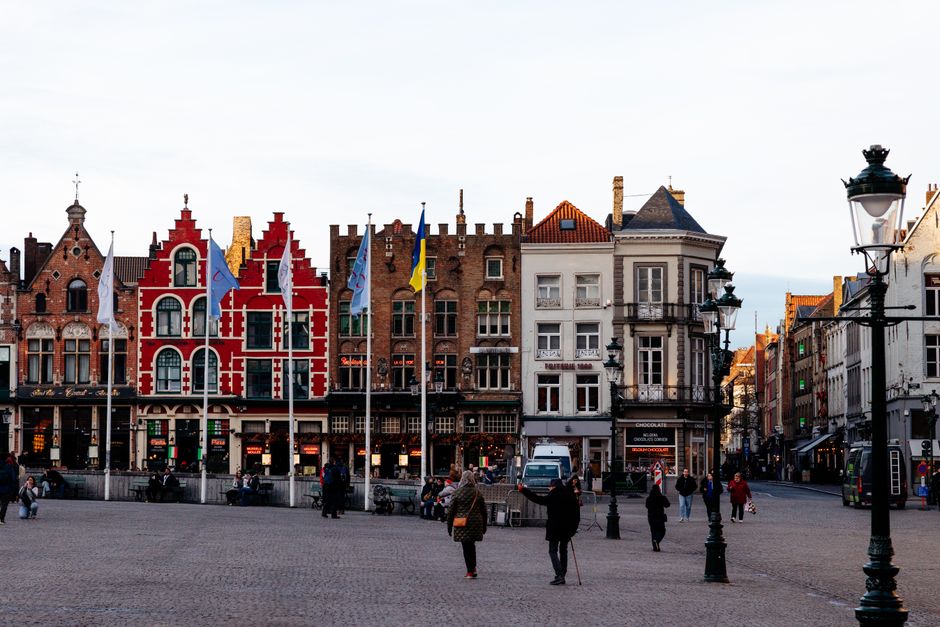
Belgium also has its own practical quirks. Apartment access can be tight. Streets may be narrower than you expect. Lift bookings, parking arrangements, and building rules can matter just as much as box labels. A careful plan helps you avoid last-minute scrambles and keeps the move calm enough for children, pets, and tired adults alike.
In our experience, the households that cope best are not the most organised in an abstract sense. They are the ones that decide early what is worth keeping, what can be packed in advance, and where they want the biggest help from a professional team. That is the real difference.
How UK to Belgium removals planning guide for busy households Works
A UK to Belgium household move usually follows a familiar flow. You start with an inventory and a rough schedule, then move into packing, transport planning, and arrival-day coordination. For busy families, the key is to break the process into decisions you can complete in short bursts. Ten minutes here, twenty minutes there. It adds up.
Most removals plans revolve around three layers:
- The household layer: what you are taking, selling, donating, recycling, or storing.
- The logistics layer: vehicle size, route, loading access, timing, and handling of fragile items.
- The admin layer: documents, utilities, address changes, payments, insurance, and handover details.
For a family with limited time, these layers should be tackled in that order. If you start with paperwork before you know what is actually being moved, you can end up making twice the work for yourself. Bit of a trap, that one.
If you are comparing move support, it can help to look at a broad service page such as removal services or removals to understand how professional help is typically structured. For domestic planning before the cross-border leg, home moves and house removals are useful starting points too.
Key Benefits and Practical Advantages
The best removal plan is not the one with the fanciest spreadsheet. It is the one that saves time, reduces stress, and keeps the move on track when real life gets in the way. Busy households tend to benefit most from planning because it stops small delays from snowballing into expensive problems.
Here are the main advantages:
- Less disruption: you can move around family routines instead of colliding with them.
- Better packing quality: fragile items and essentials are handled properly rather than shoved into the nearest box.
- Clearer budget control: fewer emergency bookings and less rushed buying of packing materials.
- Lower risk of damage: good wrapping, sensible loading, and the right vehicle matter a lot over a longer journey.
- More predictable arrival: if access and timing are planned properly, unpacking starts off on the right foot.
There is also a quieter benefit that people underestimate: peace of mind. When you know the essentials are covered, you stop carrying the whole move in your head all day. That matters. Especially if you are already managing work calls and a child asking where the toy rabbit is.
For some households, using packing and unpacking services can be the difference between a manageable move and a complete weekend wipeout. For others, it is enough to use a trusted movers team with strong loading and transport support.
Who This Is For and When It Makes Sense
This guide is especially useful if your household has one or more of the following realities:
- two working adults with little spare time
- young children and the need to protect routines
- pets who need careful travel planning
- lots of furniture, bikes, toys, or seasonal items
- school or nursery deadlines hanging over the move
- a property in Belgium with stairs, limited parking, or narrow access
- a move date that cannot drift around forever
It also makes sense if you are moving from a UK home where the volume is awkward rather than huge. Think of that one family who says, "We do not have loads," and then discovers six bookcases, a garden shed, three air fryers, and a mountain of outgrown shoes. Happens all the time, to be fair.
If you are still deciding what kind of support you need, pages like house movers, house removalists, and removal company can help you compare what a structured domestic-and-international move may look like.
Step-by-Step Guidance
Here is a practical sequence that works well for busy households. You do not need perfection. You need order.
1. Start with a real inventory, not a mental one
Walk through each room and write down what is moving. Include larger furniture, white goods, garden items, children's equipment, and the awkward things everyone forgets: lamps, mirrors, filing boxes, spare bedding, and chargers. A phone note is fine. A spreadsheet is better. A piece of paper on the kitchen table is still better than guessing.
2. Decide what stays, sells, donates, or gets recycled
The less you take, the easier the move. This is the moment to be ruthless with duplicates, broken items, and things you have kept "just in case" for five years. If there is a patio set you never use, or furniture that will not fit the new layout, let it go now rather than paying to move regret.
If you are clearing items responsibly, the site's recycling and sustainability page is a helpful reference point for thinking about disposal and reuse. For single bulky items or unwanted furniture, furniture pick up may also be relevant.
3. Build a move timeline backwards from arrival day
Start at the Belgian move-in date and work backwards. When does the packing need to finish? When do you need access details? When should keys be handed over? When should you freeze the freezer? It sounds obvious, but this backward planning stops the "oh no, we forgot that" moment.
4. Confirm access at both properties
Ask about stairs, lift sizes, parking restrictions, loading zones, and whether the vehicle can get near the entrance. In Belgium, a lovely old apartment can also mean a very small hallway and a staircase with opinions. Measure doors, turns, and any items that need disassembly. The move becomes much smoother when the team knows the real layout.
5. Choose the right move support
Not every family needs a full-service move, but many busy households benefit from more help than they first expect. If you only have a few items, a man with van type service may suit lighter loads. For bigger family homes, a moving van or moving truck is often the more sensible fit.
If you need broad advice on matching vehicle size to your load, the pages for removal van, removals van, and removal truck hire can give you a better feel for the options.
6. Pack in zones, not in a panic
Use room-by-room packing and mark boxes clearly. Keep essentials together. For a household with kids, that means school uniforms, chargers, medications, favourite mugs, kettle items, and a few toys. You want the first evening to feel functional, not like camping inside cardboard.
7. Keep a first-48-hours bag separate
This should include passports, travel documents, snacks, toiletries, a change of clothes, keys, chargers, wipes, bin bags, and anything you would be annoyed to lose in transit. Put it in the car or with you, not on the truck. Small thing, huge difference.
8. Finalise insurance, payment, and handover details
Before move day, make sure the practical bits are settled: payment method, what is covered, what is not, and how the handover will work. If you want to understand the service provider's approach to security and protection, the pages on insurance and safety and payment and security are worth checking. For terms, the terms and conditions page is the place to review carefully.
Expert Tips for Better Results
These are the details that often make the biggest difference for busy households. Not glamorous, but very useful.
- Label by destination room and urgency: "Kitchen - open first" is better than just "Kitchen."
- Photograph cable setups: back of TVs, routers, printers, and gaming systems. Future you will be grateful.
- Pack one room at a time: it reduces mixed boxes and saves a surprising amount of time.
- Use smaller boxes for books and heavy items: a large box full of books is a classic back-breaker.
- Book help where your time is tightest: unpacking help may be more valuable than another evening of DIY packing.
- Check weather and ferry or tunnel timing where relevant: even a short delay can ripple through the day.
One small thing that gets overlooked: keep a pen, tape, and scissors in two places. Not one. Two. Because the one you need will always be in the van, under a jumper, or somehow missing entirely. Moving seems to attract that sort of nonsense.
For households wanting a broader, more service-led approach, pages such as removal company, removal companies, and removal services can be useful when comparing levels of support.
Common Mistakes to Avoid
People rarely get international moves wrong in one dramatic way. It is usually a collection of smaller oversights. Here are the usual suspects.
- Leaving packing too late: last-minute packing leads to poor labelling and broken items.
- Underestimating volume: households often have more than they think once cupboards are opened.
- Ignoring access constraints: a beautiful building is not always an easy building to move into.
- Not separating essentials: if the first-night box is buried, everybody feels it.
- Choosing a vehicle that is too small: it can create extra trips or rescheduling.
- Forgetting disposal plans: donation and recycling need time too.
- Skipping paperwork checks: admin delays can be more frustrating than packing delays.
Another subtle mistake is trying to make every decision yourself. Busy households do better when they delegate. It might be the packing, the disassembly, the loading, or the sorting of bulky items. Even handing off one chunk can take a lot of pressure off the week.
Tools, Resources and Recommendations
You do not need a mountain of software to make this work. In fact, too many tools can create a kind of admin fog. A few basics are usually enough.
| Tool or resource | What it helps with | Best for |
|---|---|---|
| Room-by-room checklist | Tracking what has been packed, sold, donated, or moved | Families with lots of household items |
| Phone camera | Recording cable setups, furniture condition, and box labels | Anyone who dislikes guessing later |
| Colour-coded labels | Speeding up unloading and room placement | Busy homes with children or multiple bedrooms |
| Storage boxes and wardrobe cartons | Protecting clothes, soft furnishings, and seasonal items | Households with mixed item types |
| Professional packing help | Saving time and reducing breakages | Time-poor families and larger homes |
When you are choosing support, it is worth browsing related options such as man and van, man and van removals, man with a van, and man with van removal. These are not interchangeable, and the right choice depends on volume, distance, and how much help you need on the day.
If you want to understand the company ethos behind the service, about us can help with trust-building, while contact us is the direct route if you need to ask something specific before you commit.
Law, Compliance, Standards, or Best Practice
International household moves involve more than boxes and tape. There are practical and legal expectations around safety, insurance, data handling, payment, and responsible disposal. The exact rules can vary depending on your goods, destination, and service arrangement, so it is sensible to check the details early rather than assume everything is standard.
From a best-practice point of view, a good removals provider should be clear about:
- how items are handled and protected
- what insurance or liability arrangements apply
- what payment methods are accepted and when payment is due
- how complaints or service issues are handled
- how personal information is stored and used
- what sustainability or recycling practices are followed for unwanted items
Those are all ordinary signs of a professional setup, not extras. If you are reviewing provider documents, the pages on health and safety policy, privacy policy, and complaints procedure are worth a calm read before booking. If you need accessibility information, there is also an accessibility statement.
For households moving larger volumes or high-value furniture, careful handling and documented expectations matter even more. That is just common sense, really. It saves arguments later and keeps the move feeling professional.
Options, Methods, or Comparison Table
Busy households usually have three broad ways to approach a UK to Belgium move. The right one depends on budget, time, and how much stress you are willing to carry yourself.
| Approach | Best for | Pros | Trade-offs |
|---|---|---|---|
| Self-pack with transport only | Smaller homes and tight budgets | Lower upfront cost, more control | More time, more physical effort, more admin on the family |
| Partial-service move | Busy households that want support with the hardest parts | Good balance of cost and convenience | You still manage some packing and sorting |
| Full-service move | Large homes, families with children, or very limited time | Less disruption, smoother loading and unloading | Higher cost, though often worth it for the time saved |
If you are not sure which route fits, a practical starting point is to compare vehicle and service combinations such as removals near me, removal van, and removals van. It sounds simple, but the way you choose to move shapes nearly everything else.
Case Study or Real-World Example
Imagine a household of four leaving the UK for Brussels. Two adults work full-time, one child has end-of-term school commitments, and the family also has a dog and a house full of mixed furniture collected over years of normal living. Not a disaster. Just busy.
They start six weeks out by sorting rooms in short evening sessions. The spare room becomes a staging area for packed boxes. The children's toys are reduced by one large donation pile and one recycling pile. A few items are sold rather than shipped. The family books a move team early so they are not trying to secure transport in the final week.
Three things make the move easier:
- they photograph cable and furniture setups before dismantling
- they keep one bag each for travel essentials and first-night items
- they confirm stair access and parking at the Belgian property in advance
The day itself is still busy, of course. There are always a few loose ends. A charging cable goes missing. Somebody remembers a school certificate at the wrong moment. But because the bigger decisions were made early, the move stays orderly. Boxes go where they should. The first night is functional. The dog settles. The adults breathe out. A small victory, but a real one.
That is the whole point of planning: not perfection, just fewer surprises.
Practical Checklist
Use this checklist as a final run-through in the last two weeks before departure.
- Inventory completed room by room
- Items sorted into keep, sell, donate, recycle, and move
- Move date confirmed in writing
- Access checked at both properties
- Parking or loading space arranged
- Furniture dimensions checked against doors, stairs, and lifts
- Boxes labelled by room and priority
- Fragile items wrapped and marked clearly
- First-48-hours bag prepared
- Documents, keys, and valuables kept with you
- Insurance and payment details reviewed
- Waste, recycling, and furniture removal arranged
- Children's essentials and pet items set aside
- Final meter readings and address changes scheduled
If you tick off only one thing early, make it the access check. It prevents an absurd amount of hassle later.
Conclusion
A UK to Belgium removals planning guide for busy households should make a demanding move feel achievable. The trick is not to do everything at once. It is to decide the right order, keep the essentials visible, and get the help that saves you the most time. Once the packing begins and the loose ends are named, the whole thing becomes much more manageable.
For households with real-world pressures, that order matters more than enthusiasm. A careful plan gives you breathing space, reduces avoidable damage, and helps the move day feel like a process rather than a scramble. And honestly, that is a win worth having.
If you are comparing support options, checking service details, or simply trying to work out where to begin, you are already doing the right thing by planning early. Small steps, taken in the right sequence, carry the whole move.
Get a free quote today and see how much you can save.
Take a breath, keep the plan simple, and let the move unfold one sensible decision at a time.
Frequently Asked Questions
How far in advance should I start planning a UK to Belgium move?
For a busy household, starting six to eight weeks ahead is sensible. If you have a larger home, children in school, or a lot to sort, even earlier is better. The main thing is to begin with the inventory and access checks, not the packing tape.
What is the biggest mistake families make with international removals?
Underestimating how much time sorting, packing, and access planning takes. People often focus on the transport day and forget all the small decisions beforehand. That is where the stress builds.
Do I need a full-service removals team for Belgium?
Not always. Smaller moves can work well with lighter support, while larger family households often benefit from more help. The right choice depends on volume, time pressure, and how much you want to manage yourself.
How do I know whether I need a van or a truck?
That depends on the amount of furniture, the number of boxes, and whether you are taking bulky items like beds, wardrobes, or garden equipment. A home inventory is the best starting point. Guessing tends to go badly.
Should I pack everything myself to save money?
Sometimes, yes. But if your time is limited, partial packing or full packing support may be worth it. Saving money is useful, though saving your sanity is also nice.
What should go in my first-night bag?
Passports, travel documents, chargers, toiletries, a change of clothes, snacks, bin bags, basic medication, and essentials for children or pets. Keep it separate from the main load and easy to reach.
How important is access planning at the Belgian property?
Very important. Stairs, lifts, parking, and narrow entrances can all affect timing and handling. This is one of those details that sounds minor right up until the moving team arrives.
Can I combine decluttering with the removals process?
Absolutely, and you should. Clearing out unwanted items before the move usually reduces cost and stress. It also helps you start fresh rather than moving clutter into a new country.
What should I check in the company documents before booking?
Look at insurance, payment terms, safety practices, privacy handling, and the complaints process. Those pages tell you a lot about how the company works in practice.
Are packing and unpacking services worth it for busy households?
Often, yes. If both adults are working, children are in the mix, or the move date is tight, professional packing can remove a huge amount of pressure. It is one of the easiest ways to buy back time.
How do I reduce the risk of broken items during a UK to Belgium move?
Use proper wrapping, smaller boxes for heavy items, and clear labels for fragile contents. Keep important or sentimental pieces separate and tell the movers what needs extra care. A little caution goes a long way.
What if I still feel overwhelmed after making a plan?
That is normal. Break the move into one room, one task, or one evening at a time. If needed, hand over the most time-consuming parts to a professional team. You do not need to carry the whole thing alone.