Packing valuable items for international removals safely
If you are moving abroad, the valuable things are usually the ones that keep you awake at night: jewellery, watches, family heirlooms, artwork, collectibles, documents, laptops, cameras, and that one awkwardly expensive item you cannot quite replace. Packing valuable items for international removals safely is not just about wrapping things in more bubble wrap. It is about reducing risk, making smart decisions, and knowing what belongs in your own hands versus what can travel with the rest of the shipment.
Truth be told, this is where many otherwise well-organised moves get messy. A box that looked fine on the kitchen table can shift, compress, or take a knock in transit. Add customs checks, handling changes, different vehicles, and a long journey, and the margin for error gets smaller. This guide walks you through the practical side of protecting valuables so you can move with a bit more calm and a lot less guesswork.
- Why it matters
- How it works
- Key benefits and practical advantages
- Who needs this and when it makes sense
- Step-by-step guidance
- Expert tips for better results
- Common mistakes to avoid
- Tools, resources and recommendations
- Law, compliance, standards, or best practice
- Options, methods, or comparison table
- Case study or real-world example
- Practical checklist
- Conclusion
- Frequently asked questions
Why Packing valuable items for international removals safely Matters
Valuable items are exposed to more risk than everyday household belongings. They are often smaller, denser, more fragile, or emotionally irreplaceable, which is a tricky combination. A chipped vase can be annoying. A damaged antique, missing watch box, or cracked framed artwork can be a proper headache.
International removals add a few extra complications. Items may be loaded, unloaded, stored briefly, reloaded, or moved between vehicles. They might spend more time in transit than a standard domestic move. They can also be affected by humidity, vibration, temperature changes, and rough stacking. Not ideal, obviously.
There is also the question of accountability. If something valuable disappears into a larger shipment, it becomes harder to track. If it is damaged, proving how it was packed matters. In our experience, the safest moves are the ones where the packing method is documented, sensible, and proportionate to the item itself.
There is a second reason this matters too: peace of mind. When you know your valuables are handled properly, the whole move feels less chaotic. You can focus on the bigger picture instead of worrying about whether your jewellery box is wedged under a sofa cushion somewhere near Dover.
How Packing valuable items for international removals safely Works
Safe packing starts with classification. Not every valuable item should be packed the same way. A diamond ring, a signed photograph, and a laptop all need different protection. The process usually works best in four stages: assess, sort, pack, and track.
1. Assess what is actually valuable
This sounds obvious, but it is worth slowing down. Value is not just monetary. Some items are high-value because they are fragile, sentimental, rare, or hard to replace. That old watch inherited from your grandfather may not be the most expensive item in the house, but it may be the one you would hate to lose most.
2. Sort items by risk
Group valuables into categories such as documents, jewellery, electronics, artwork, antiques, collectibles, and specialty items. This helps you decide what should be carried personally, what can go in a secure box, and what needs a professional packing method.
3. Pack with protection and restraint
The goal is not to cram everything into one indestructible-looking carton. It is to create layers of protection that stop movement, absorb shock, and make handling easier. Proper packing usually means the right box, the right inner wrap, a stable fill material, and clear labeling.
4. Track and record everything
For valuables, a simple inventory is more useful than many people expect. Photos, serial numbers, condition notes, and a sealed box list can save a lot of stress later. If you ever need to check contents, or make an insurance claim, that record becomes surprisingly important.
For larger or more unusual items, such as a piano or a large piece of art, specialist handling matters even more. You may find it helpful to read about professional tips for safely and efficiently moving a piano if you are moving something that needs more than basic wrapping.
Key Benefits and Practical Advantages
Good packing does more than reduce breakage. It improves the whole move in ways people notice only afterwards. A well-packed valuable item is easier to load, easier to identify, and less likely to create delays. That alone is worth a fair bit.
- Lower risk of damage: Proper cushioning, correct box selection, and immobilisation reduce impact and vibration damage.
- Better security: Discreet packing and careful handling reduce the chance of unwanted attention.
- Cleaner insurance position: Records and sensible packing help if you need to discuss damage or loss.
- Faster unloading and setup: Labelled valuables are easier to place where they belong, not buried under soft furnishings.
- Less emotional stress: This is the quiet benefit. You simply worry less. And that matters more than people admit.
There is also an operational upside for your removal team. Clear labelling and secure packing help movers place items appropriately in the vehicle, avoid unnecessary compression, and handle boxes that contain delicate contents with a bit more care. That is especially useful if you are also arranging broader support such as packing and unpacking services for the rest of the house.
Who This Is For and When It Makes Sense
Not every international move needs museum-level packing. But if any of the following sounds familiar, you should treat valuables as a special category rather than just another box to tape shut.
- Households with jewellery, watches, and heirlooms: Small items are easy to misplace and often difficult to replace.
- People moving artwork or framed prints: Glass, corners, and surface finishes all need special care.
- Families relocating laptops, tablets, cameras, or consoles: Electronics hate being crushed, jostled, or exposed to moisture.
- Collectors: Coins, stamps, figurines, wine accessories, and similar items need structured packing and inventory control.
- Business owners or remote workers: Important documents and work equipment often need to travel separately.
- Anyone using shared freight or long transit times: The longer and less direct the journey, the more important the packing becomes.
If you are moving a whole household rather than a few standalone items, the same logic applies at a wider scale. A reliable removal company should be able to explain how valuables are handled, what packaging is suitable, and what stays under your control.
Let's face it: if something would ruin your week to lose, it deserves a more deliberate plan.
Step-by-Step Guidance
Here is a practical method you can actually use without turning your living room into a packing lab.
Step 1: Make a valuables list
Write down every item that is high-value, fragile, sentimental, or difficult to replace. Include serial numbers where useful, and take clear photos from a few angles. For jewellery, document individual pieces rather than dumping everything into a single note.
Step 2: Decide what should travel with you
Small, irreplaceable, or highly sensitive items are usually best kept in personal custody. That often includes passports, essential documents, keys, medication, jewellery, and data devices. If you would feel uneasy seeing it out of your sight, that feeling is doing useful work. Listen to it.
Step 3: Gather the right packing materials
Use strong boxes, acid-free tissue for delicate finishes, soft wraps, padding, and clean tape. Avoid old boxes that have lost their strength, especially if they have been used before in damp storage. A box that feels a bit tired probably is.
Step 4: Wrap each item individually
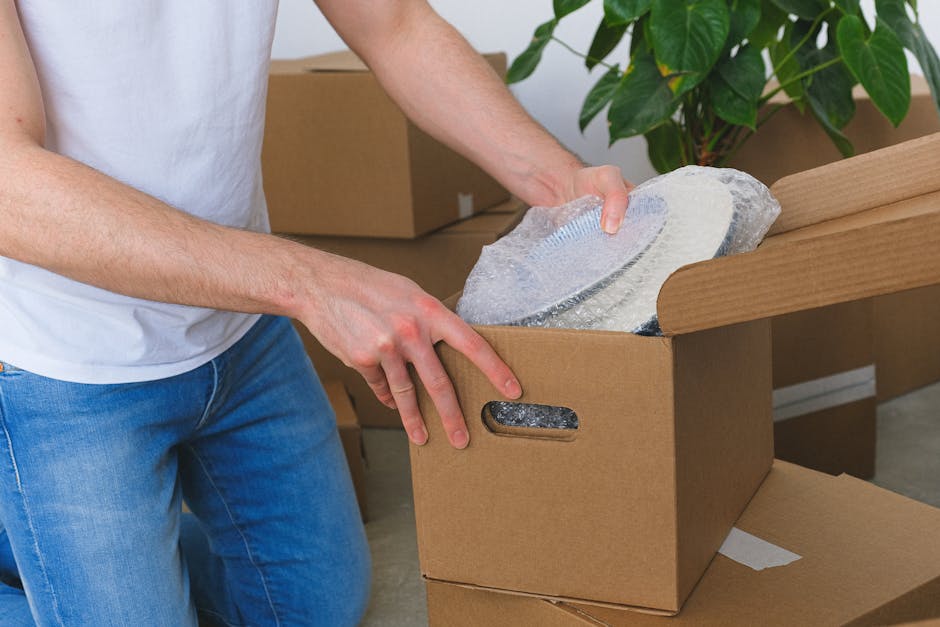
Never let hard surfaces touch each other. Wrap items one by one, then add internal padding so they cannot move. For glass, artwork, or framed pieces, protect corners properly. For electronics, keep cables, chargers, and accessories together in labelled pouches.
Step 5: Use internal cushioning and void fill
Place soft material around the item so it cannot shift. The box should be firm, but not overstuffed. If you shake it gently and hear movement, that is your warning sign. Repack it. It is a small job now, a bigger problem later.
Step 6: Seal, label, and document
Mark the box clearly, but not loudly. Use discreet labels if security is a concern. Include "fragile" only if it is true and useful. Keep a matching list with contents, destination room, and any special handling notes. A box marked "open first" can save time at the other end.
Step 7: Decide on transport conditions
Some valuables are fine inside the main shipment if packed correctly; others should ride separately in a locked case or with the owner. If the item is particularly fragile, expensive, or personal, make the cautious choice. Most people never regret being slightly too careful here.
For households that are still simplifying before a move, a little decluttering can go a long way. This is where creative techniques to declutter before moving out can help you separate keepers from clutter before you start packing the good stuff.
Expert Tips for Better Results
Here are the details that tend to make the biggest difference in real moves, especially when the journey is longer than a standard local job.
- Use double protection for fragile valuables. Inner wrap plus outer cushioning is far more reliable than one layer of generic padding.
- Pack heavy items in smaller boxes. Overweight boxes get dropped more easily. Small, dense boxes are easier to manage and usually safer.
- Keep high-value items separate. Do not mix jewellery with random household items just to save space. It becomes harder to audit and easier to miss something.
- Photograph the packed box before sealing. That tiny habit can be useful later if you need to show condition or contents.
- Think about climate. Wood, paper, fabric, and certain finishes can react to damp or temperature swings. Avoid packing them near anything wet or fresh-cleaned.
- Use neutral, non-acidic materials for delicate items. This matters for artwork, documents, and collectibles where long contact with poor-quality packaging can cause issues.
A small practical point: keep a "do not load" pile for items that should stay with you until the last minute. You do not want passport envelopes or family jewellery drifting into the wrong stack when everyone is tired and the kettle has been boiled three times already.
If your move includes wider household packing, a broader guide such as top tips for organised and stressfree moving can help keep the whole process from becoming a long, blurry Saturday.
Common Mistakes to Avoid
Most packing problems are not dramatic. They are small shortcuts that quietly add up. The trouble is, international moves are brilliant at exposing shortcuts.
- Overpacking one box: Too much weight increases crush risk and makes handling awkward.
- Using newspaper directly on delicate surfaces: Ink transfer and abrasion are a real nuisance.
- Leaving empty space inside boxes: Movement inside the carton is one of the main causes of damage.
- Packing valuables with everyday clutter: It makes unpacking slower and raises the chance of loss.
- Skipping an inventory: You will miss it if something goes wrong.
- Assuming "fragile" labels are enough: Labels help, but they do not replace good packing.
- Storing valuable items in heat, damp, or direct sunlight before the move: Pre-move storage conditions matter more than people think.
And a slightly awkward one: forgetting what is in the box because you packed it in a rush. It happens. You open it later and find something precious wrapped inside an old jumper, and nobody can quite remember which jumper. Not ideal.
Tools, Resources and Recommendations
You do not need a warehouse full of kit, but the right tools make a noticeable difference. The aim is to make the packing stable, traceable, and discreet.
| Tool or material | Best use | Why it helps |
|---|---|---|
| Double-walled boxes | Fragile and valuable household items | Better crush resistance and box strength |
| Acid-free tissue or archival wrap | Artwork, documents, collectibles | Reduces surface damage and material reaction |
| Bubble wrap and soft padding | General cushioning | Absorbs movement and impact |
| Foam inserts or custom inserts | Electronics, cameras, delicate objects | Prevents shifting inside the box |
| Sealable pouches | Jewellery, cables, small accessories | Stops small parts getting lost |
| Inventory sheet and markers | Box tracking | Makes unpacking and claims support easier |
If you are comparing move support, look beyond price alone. A good provider should be able to explain handling methods, insurance considerations, and how valuables are protected alongside the rest of the shipment. If you need a broader overview of moving support, the page on removal services can help frame the options.
For house moves more generally, it also helps to understand the difference between full-service packing and self-packing. The right choice depends on time, budget, and how much risk you are comfortable managing yourself.
Law, Compliance, Standards, or Best Practice
For international removals, compliance usually comes down to three things: honest item declaration, appropriate packing, and suitable insurance or liability cover. Exact customs requirements vary by destination, so you should always check the specific rules for the country you are moving to. This article cannot replace that local advice, and it should not try to.
In the UK, removal firms are generally expected to operate safely, handle goods carefully, and communicate their terms clearly. Good practice also means knowing what is excluded from transit cover, what must be declared, and whether certain items need special treatment. Valuable items may require additional valuation or separate insurance arrangements, depending on the mover and the contents.
There is also a practical standard worth following even when no law explicitly tells you to do it: pack in a way that a third party can handle safely. That means stable boxes, reasonable weights, clear contents records, and secure seals. If a box is too heavy for one person to lift properly, it is probably too heavy.
Before you move, review the mover's policies on liability, claims, and permitted items. A trustworthy company will be transparent about what is covered and what is not. The pages on insurance and safety and terms and conditions are the sort of documents worth reading properly rather than skimming in the taxi on the way to the airport.
If you are moving work equipment or sensitive items, it is also sensible to check what can stay with you during transit and what should be declared separately. Better to ask one extra question now than chase paperwork later.
Options, Methods, or Comparison Table
There is no single best method for every valuable item. The right approach depends on fragility, size, replacement cost, sentimental value, and how much control you want during transport.
| Method | Best for | Strengths | Limitations |
|---|---|---|---|
| Self-packing with specialist materials | Confident movers with a few valuable items | Lower cost, full item knowledge | More responsibility on you, easy to miss details |
| Professional packing service | Fragile, high-value, or time-sensitive items | Experienced handling, better protection, less stress | Higher cost, less hands-on control |
| Carry personally | Documents, jewellery, essentials, small electronics | Maximum control and visibility | Limited space, personal responsibility, travel constraints |
| Custom crate or specialist case | Artwork, instruments, collectibles, delicate equipment | High protection, tailored fit | Extra cost and lead time |
If you are still weighing up how much help you need, it can be useful to compare the wider move options too. Some households are best served by a full removal team, while others only need a more targeted service such as man with van support for smaller loads. The key is matching the method to the risk.
Case Study or Real-World Example
Here is a simple, realistic scenario. A family moving from the UK to Belgium had a small set of valuables: a watch collection, a framed artwork, a laptop, and several folders of personal documents. Nothing enormous. Nothing that would make the front page. But enough to cause trouble if packed casually.
They separated the items into three groups. Documents, jewellery, and the laptop travelled personally in a locked carry case. The artwork was wrapped in acid-free paper, protected at the corners, then placed in a rigid box with extra cushioning. The watches were packed individually in soft pouches and then boxed in a way that prevented movement. Each box was photographed, numbered, and matched to a simple inventory.
What made the difference was not expensive packaging, but the sequence. They sorted first, packed second, and tracked everything carefully. When the shipment arrived, unpacking was calmer because everyone knew where each item belonged. No mystery boxes. No frantic opening of random cartons at 10 p.m. with a screwdriver in one hand.
That is the real aim here: not perfection, just a move that feels controlled and sensible. If you need broader planning help, the guide on UK to Belgium removals planning guide for busy households may also be useful alongside your packing plan.
Practical Checklist
Use this as a final walk-through before anything leaves the house.
- Make a written inventory of all valuable items.
- Take clear photos of each item and the packed box.
- Separate items into carry-with-you, specialist pack, and shipment categories.
- Use strong, clean, appropriately sized boxes.
- Wrap each item individually.
- Add cushioning so nothing can move inside the box.
- Keep heavy items in smaller boxes.
- Use discreet labels and "open first" tags where helpful.
- Store documents, jewellery, keys, and essentials separately.
- Check insurance, liability, and packing expectations in advance.
- Keep a copy of the inventory with you, not just in the shipment.
- Do a final hand-check before loading. Slow down for this bit.
Expert summary: The safest way to move valuables internationally is to reduce handling, remove movement inside the box, keep the most sensitive items with you, and document everything well enough that you could reconstruct the shipment if needed. That is the whole game, really.
Get a free quote today and see how much you can save.
Conclusion
Packing valuable items for international removals safely is not about wrapping things until they look indestructible. It is about judgement. Which items need to stay with you? Which items need specialist packing? Which ones can travel in the shipment without drama? Once you answer those questions honestly, the rest becomes much more manageable.
A good move is rarely the one with the fanciest boxes. It is the one where the valuables arrive intact, the records are clear, and you are not left second-guessing every decision on the first night in a new country. Take your time with the important bits. It pays off.
And if you are in the middle of a busy relocation, be kind to yourself. A careful, steady move is still a successful move.
Frequently Asked Questions
What should I always carry with me when moving internationally?
Passports, travel documents, jewellery, medication, keys, essential paperwork, and small electronics are usually safest with you. If the item is hard to replace or sensitive to damage, keeping it personally controlled is often the best choice.
Can I pack valuables in normal moving boxes?
Sometimes, yes, but only if the box is strong enough and the item is properly cushioned. For fragile or high-value items, a standard box on its own is usually not enough. Add internal protection or use a specialist container.
Should I label boxes that contain valuable items?
Yes, but think carefully about security. Clear internal tracking is important, while very obvious labels can attract unwanted attention. Many people use discreet labels plus a separate inventory list.
Is it better to pack valuables myself or use a professional service?
It depends on the item and your confidence. If the item is sentimental, fragile, or expensive to replace, professional packing can be worth it. If it is small and easy to carry, self-packing or carrying it yourself may be better.
How do I protect jewellery during an international move?
Pack each piece separately in a soft pouch or lined box, keep matching items together, and carry them personally whenever possible. Jewellery is small, but it is exactly the kind of thing that disappears into a larger box if you are not careful.
What is the biggest mistake people make with valuable items?
The most common mistake is allowing movement inside the box. Even when wrapping looks neat, a loose item can shift, rub, or knock into something else. Secure packing is about stability, not just appearance.
Do I need insurance for valuable items in removals?
It is sensible to check. Standard transit terms may not fully cover every valuable item, especially if it is not declared or not packed to a reasonable standard. Read the mover's insurance and liability terms carefully before the move.
How should I pack artwork for an overseas move?
Use protective wrapping, guard the corners, avoid direct contact with rough surfaces, and place the artwork in a rigid box or crate where possible. If the artwork is especially valuable or delicate, specialist packing is often the safer route.
Can electronics go in the main shipment?
They can, but only if they are properly protected and backed up first. Laptops, tablets, and cameras are often best kept with you if they contain important data or are needed quickly after arrival.
How far in advance should I start packing valuable items?
Earlier than most people expect. Start with assessment and inventory as soon as the move date is real. The actual packing can happen later, but the decision-making and documentation should not be left until the final rush.
What if I am moving to Belgium specifically?
Then it is worth checking destination paperwork and moving requirements carefully, especially for any regulated or high-value goods. Planning ahead helps avoid delays and gives you more control over what travels where.
Where can I get help if I do not want to pack everything myself?
You can use a removal company that offers packing support, valuation guidance, and transport options suited to valuable items. If you want to compare service levels, it is also sensible to look at broader moving support and quotation options before deciding.